weSocial Team · October 23, 2026 · 4 min read
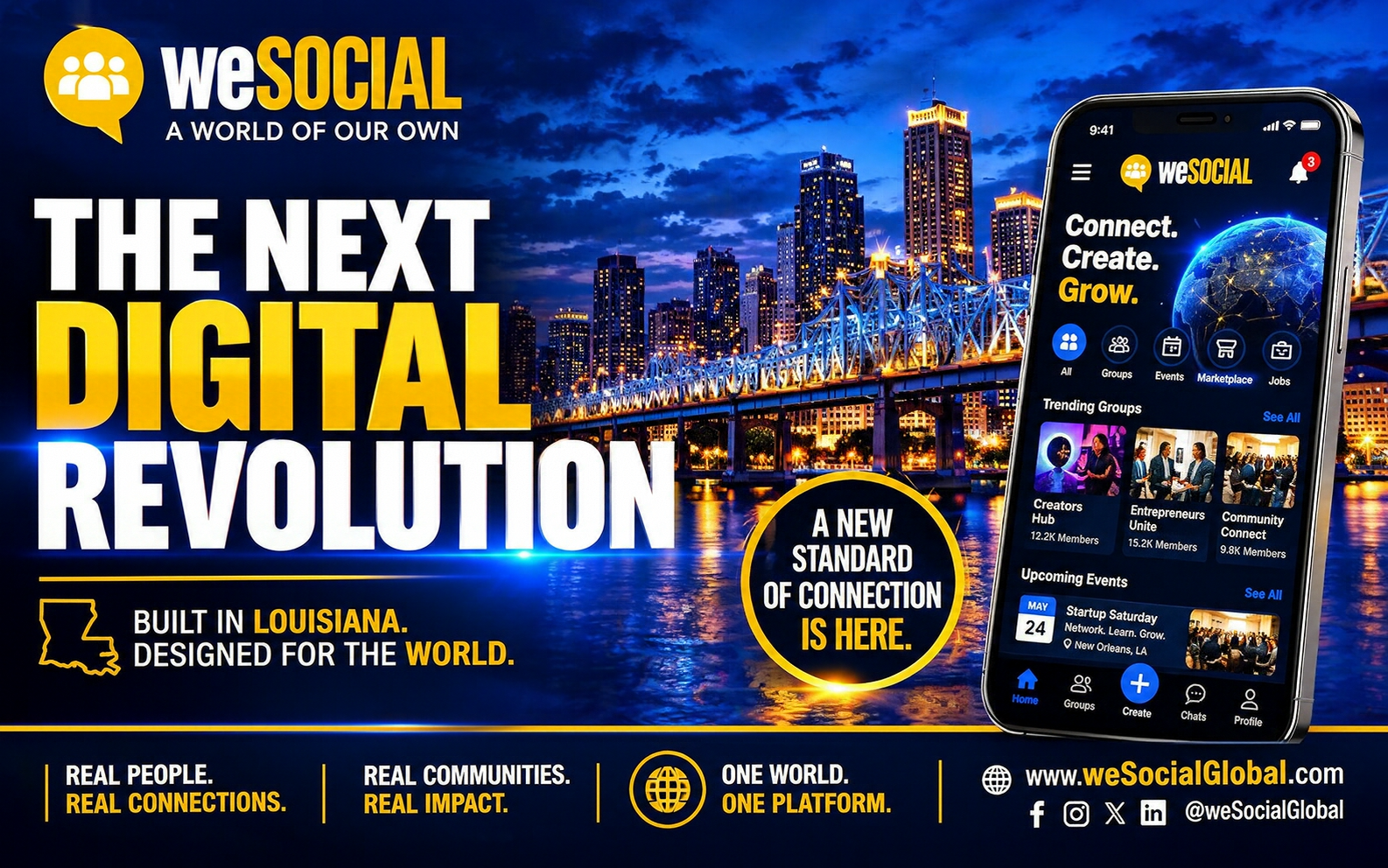
WELCOME TO weSOCIAL: A WORLD OF OUR OWN!
A New Era of Connection, Community, Creativity, and Opportunity Is Beginning.
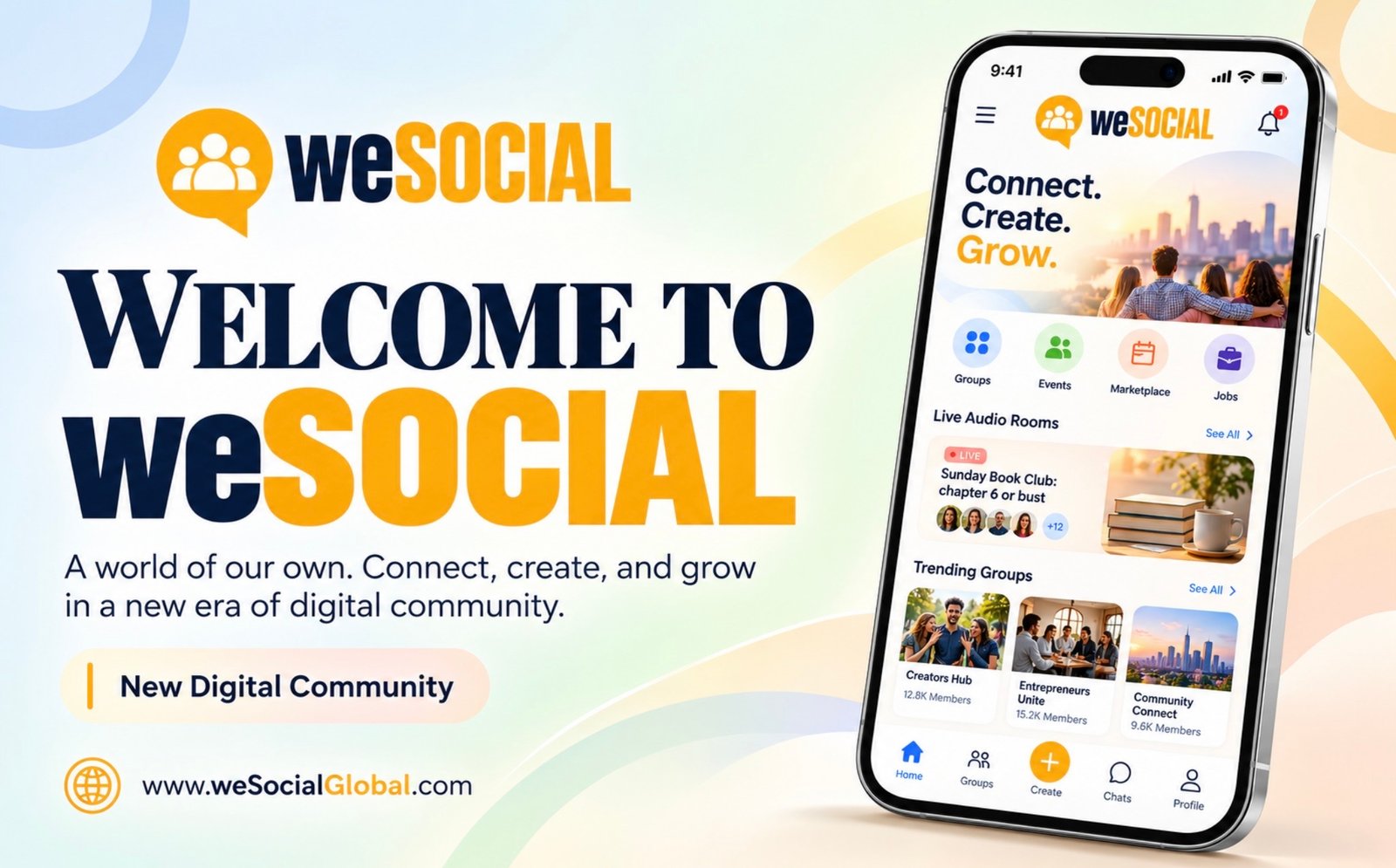
The next stage of online life will not feel like opening an app. It will feel like stepping into a shared layer of the world, where people, places, stories, and digital tools meet in real time. That is the promise behind the next wave of social reality. It builds on the habits people already have, posting, chatting, watching, learning, playing, and gathering, but moves them into spaces that feel more present, more personal, and more human.
Social reality turns connection into presence
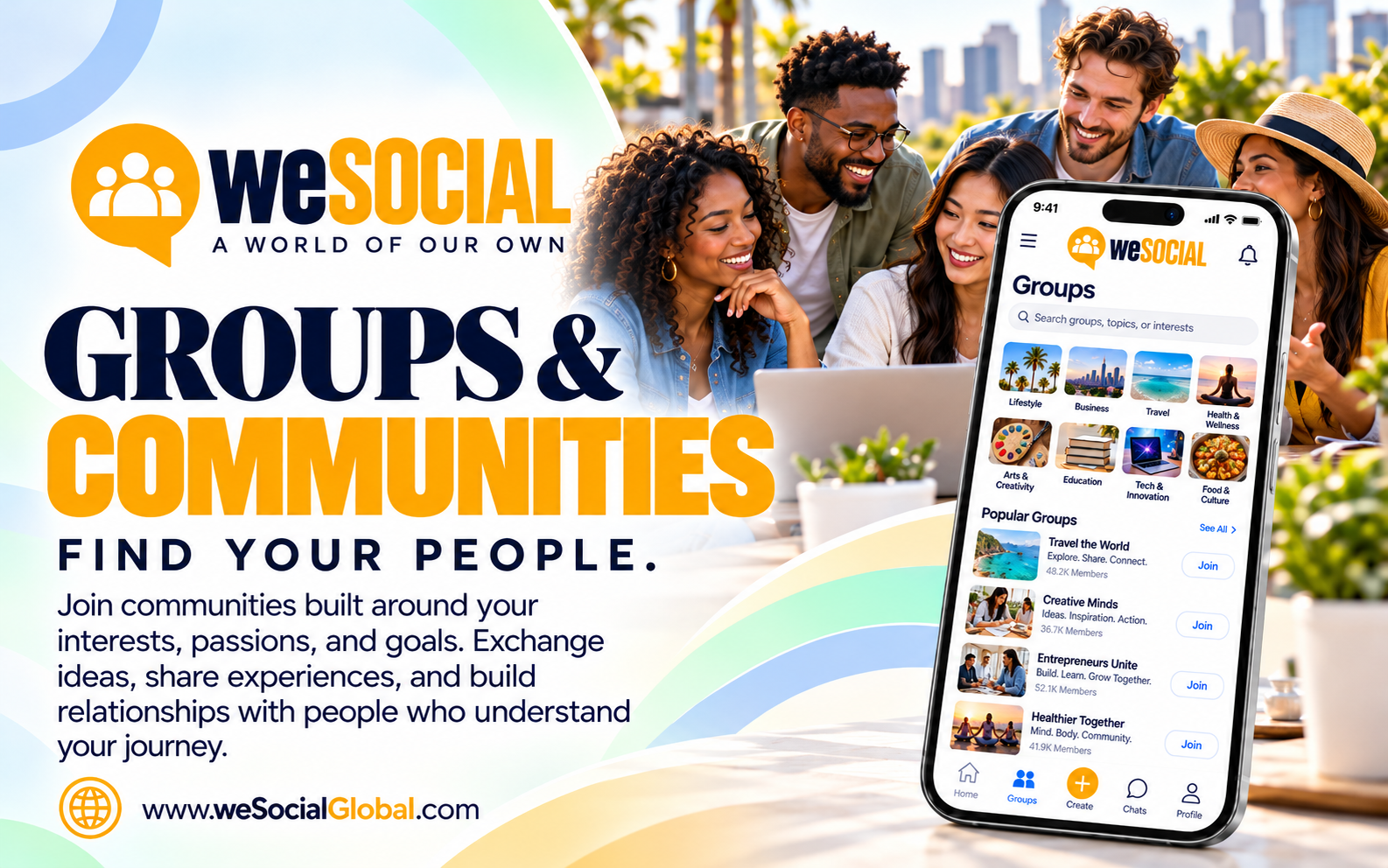
For years, digital connection has been built around feeds, profiles, comments, and messages. Those tools made the world smaller, but they also kept people at a distance. Social reality changes the center of the experience. Instead of scrolling past someone else’s moment, people can enter shared environments, react together, and build memories inside the same digital space. A concert can become a mixed physical and virtual gathering. A creator can host a live room that feels less like a broadcast and more like a place. A community can meet around a 3D object, a map, a game, or a story that everyone can shape.
The shift matters because people are asking for richer forms of connection. A video call helped remote work and long-distance friendships feel possible, but it still has clear limits. Chat threads move fast, but they can feel flat. Short videos entertain, but they rarely create true togetherness. Social reality brings back a sense of shared attention. It gives people a reason to gather around something, not only react after the fact. That small change can make digital life feel less lonely and more alive.
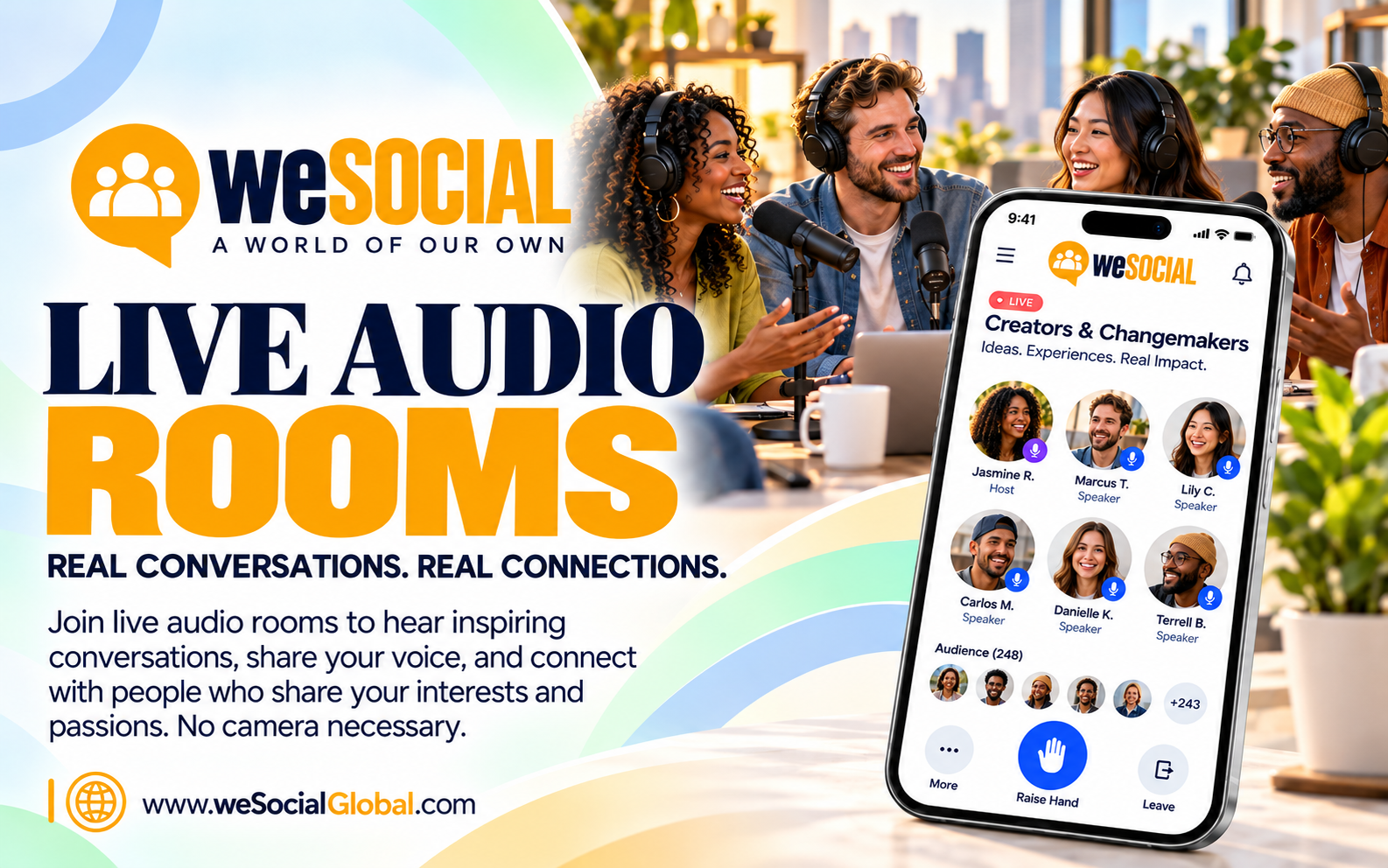 The technology is becoming easier to use The next wave will not arrive through one device or one platform. It will come through a mix of tools that are already becoming familiar. Phones will remain a major entry point. Wearables will add hands-free layers. Spatial audio will make conversations feel closer. Location-based features will connect digital moments to real streets, venues, classrooms, museums, and homes. Artificial intelligence will help shape spaces, translate conversations, guide discovery, and make creation easier for people who do not think of themselves as technical.
The key is simplicity. People do not adopt new behavior because a feature sounds advanced. They adopt it when it feels useful, fun, or emotionally rewarding. A parent joining a child’s virtual school exhibit from another state does not care about the system behind it. They care that they can stand beside the project, hear the explanation, and feel included. A music fan does not need to understand spatial computing. They need a way to meet friends before a live stream, move through a digital venue, and feel the energy of the crowd. The best social reality experiences will fade into the background, leaving the connection in focus.
 Trust will shape what comes next
A more immersive internet also raises serious questions. If digital spaces feel more real, safety, consent, identity, and privacy become even more important. People need clear controls over who can reach them, what data gets stored, how they appear, and when they can leave. Communities need moderation tools that fit live, interactive spaces, not only comment boxes. Brands, creators, and platforms need to build with care because trust will decide whether people stay.
This is where better design matters. Social reality should not push people into endless noise. It should help them choose meaningful experiences. That might mean smaller rooms instead of giant crowds, visible boundaries instead of hidden settings, and clear signals when AI-generated content is present. It also means making spaces accessible from the start. Captions, translation, mobility-friendly design, readable interfaces, and low-bandwidth options are not extras. They are part of making digital presence work for more people.
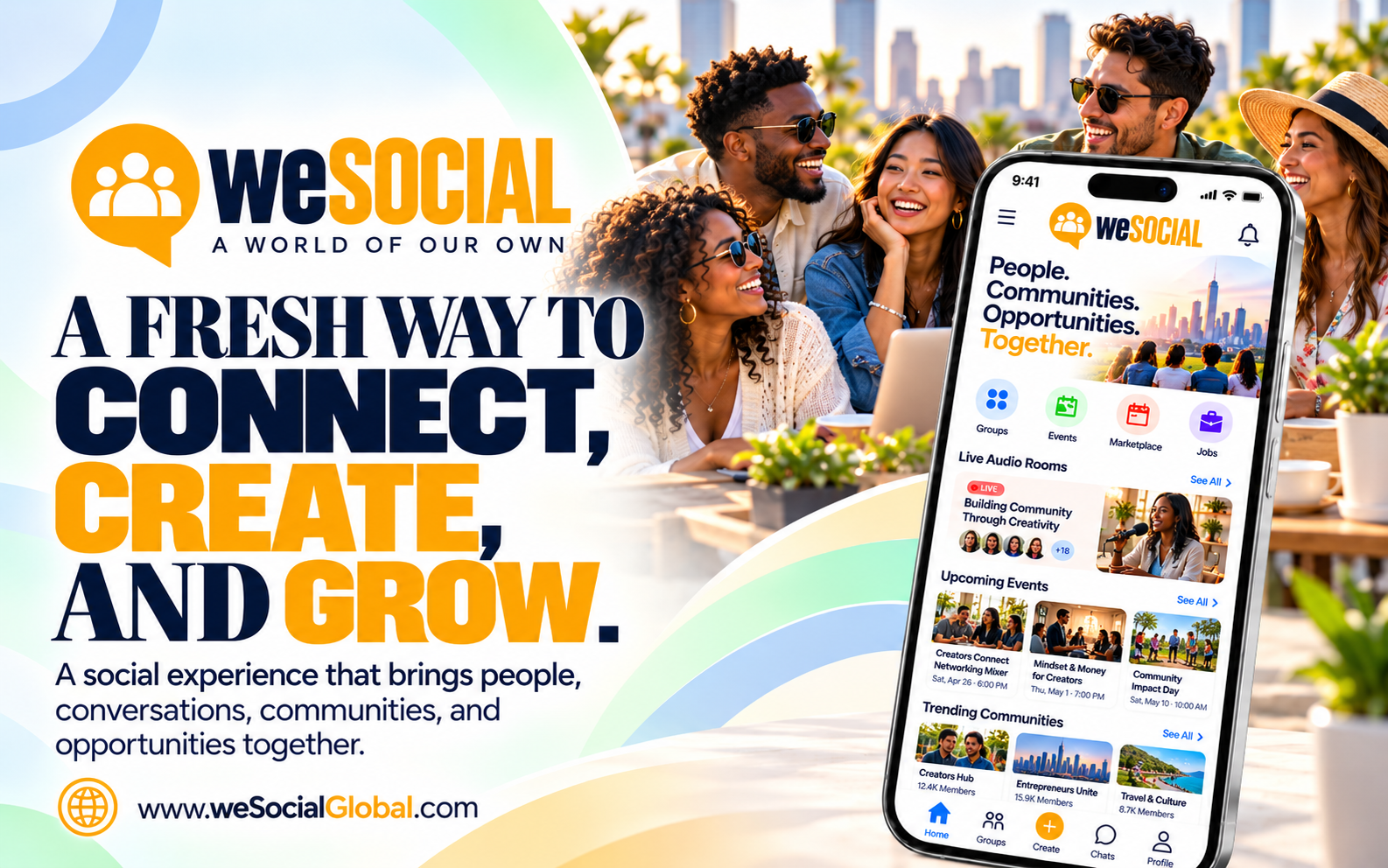 WeSocial Global sees a more human path forward
At WeSocial Global, the next wave is not only about new formats. It is about building better ways for people to belong, share, and participate. The future of social connection will reward experiences that feel honest and useful. It will favor communities that give members a role, not just an audience seat. It will open new possibilities for creators, educators, cultural groups, entertainment teams, and local movements that want to bring people closer without losing the human spark.
That future will not replace real life. It will add new layers to it. A neighborhood walk can include stories from the people who live there. A product launch can become a shared exploration instead of a one-way reveal. A classroom can connect with another classroom across the country as if both groups were standing around the same model. A fan community can gather before, during, and after an event in spaces that carry their own rituals and memories. The strongest experiences will feel less like content and more like places people want to return to.
The next wave of social reality is a chance to rethink what online connection can feel like. The winning experiences will be clear, safe, creative, and built around real human behavior. They will respect attention instead of draining it. They will help people create together, not only consume. The future is not a screen we stare at from the outside. It is a shared world we enter with purpose, and the best version of it starts with people first.
The technology is becoming easier to use The next wave will not arrive through one device or one platform. It will come through a mix of tools that are already becoming familiar. Phones will remain a major entry point. Wearables will add hands-free layers. Spatial audio will make conversations feel closer. Location-based features will connect digital moments to real streets, venues, classrooms, museums, and homes. Artificial intelligence will help shape spaces, translate conversations, guide discovery, and make creation easier for people who do not think of themselves as technical.
The key is simplicity. People do not adopt new behavior because a feature sounds advanced. They adopt it when it feels useful, fun, or emotionally rewarding. A parent joining a child’s virtual school exhibit from another state does not care about the system behind it. They care that they can stand beside the project, hear the explanation, and feel included. A music fan does not need to understand spatial computing. They need a way to meet friends before a live stream, move through a digital venue, and feel the energy of the crowd. The best social reality experiences will fade into the background, leaving the connection in focus.
Trust will shape what comes next
A more immersive internet also raises serious questions. If digital spaces feel more real, safety, consent, identity, and privacy become even more important. People need clear controls over who can reach them, what data gets stored, how they appear, and when they can leave. Communities need moderation tools that fit live, interactive spaces, not only comment boxes. Brands, creators, and platforms need to build with care because trust will decide whether people stay.
This is where better design matters. Social reality should not push people into endless noise. It should help them choose meaningful experiences. That might mean smaller rooms instead of giant crowds, visible boundaries instead of hidden settings, and clear signals when AI-generated content is present. It also means making spaces accessible from the start. Captions, translation, mobility-friendly design, readable interfaces, and low-bandwidth options are not extras. They are part of making digital presence work for more people.
WeSocial Global sees a more human path forward
At WeSocial Global, the next wave is not only about new formats. It is about building better ways for people to belong, share, and participate. The future of social connection will reward experiences that feel honest and useful. It will favor communities that give members a role, not just an audience seat. It will open new possibilities for creators, educators, cultural groups, entertainment teams, and local movements that want to bring people closer without losing the human spark.
That future will not replace real life. It will add new layers to it. A neighborhood walk can include stories from the people who live there. A product launch can become a shared exploration instead of a one-way reveal. A classroom can connect with another classroom across the country as if both groups were standing around the same model. A fan community can gather before, during, and after an event in spaces that carry their own rituals and memories. The strongest experiences will feel less like content and more like places people want to return to.
The next wave of social reality is a chance to rethink what online connection can feel like. The winning experiences will be clear, safe, creative, and built around real human behavior. They will respect attention instead of draining it. They will help people create together, not only consume. The future is not a screen we stare at from the outside. It is a shared world we enter with purpose, and the best version of it starts with people first.